Guides
Fountain pen guides
The reference section. Nine questions that come up before, during and after every first fountain pen purchase.

How this page is funded. Buying through a link here earns us a commission at no extra cost to you. It does not change what we recommend or the order we recommend it in, and we have not hands-on tested these products — see how we choose and the full disclosure.
Everything else on this site is a recommendation. This section is the reasoning underneath it: what the terms mean, what the numbers predict, and what to do when something stops working.
These pages are also where you will find the most instances of the phrase 'not published'. That is deliberate. A great deal of what is confidently stated about fountain pens is not published by anyone, and the useful thing we can do is say which figures exist and which do not.
Start with these three
- Fountain pen nib sizes — why a Japanese Fine and a German Fine are different widths, and what almost nobody publishes.
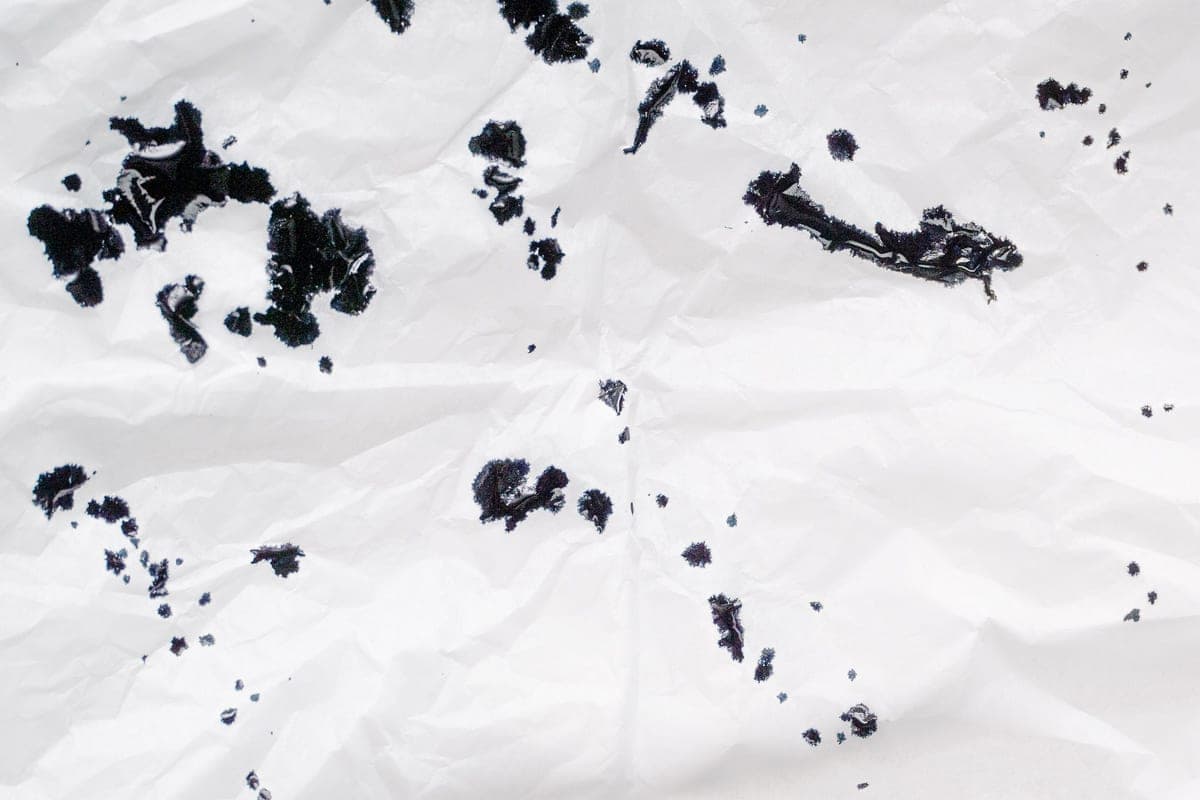
- Bleed, ghosting and feathering — three different problems with three different fixes, routinely confused.
- Paper GSM explained — what the number predicts, and the case where it predicts nothing.
- Notebook sizes explained — how A5, B5 and the rest of the ISO series relate.
Before you buy
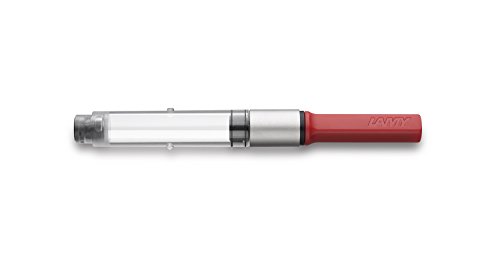
- Cartridge vs converter — which filling system, and what each costs over a year.
- Cartridge compatibility — which cartridge and converter fit which pen.
- Fountain pen vs ballpoint and vs rollerball.
- Are fountain pens worth it? — the honest version, including when they are not.
Once you own one
- How to use a fountain pen — grip, angle and the two habits to unlearn.
- How to fill a fountain pen — every filling system, step by step.
- How to clean a fountain pen — the routine, and how often it is actually needed.
- Troubleshooting — not writing, skipping, leaking, and what each symptom means.
Quick picks
Ranked for the beginner buying their first setup. Every pick names who it is wrong for.
| # | Product | Best for | Price |
|---|---|---|---|
| 1 |  Pilot Metropolitan A brass-bodied pen with a nib far better than the price suggests, and the one most consistently handed to beginners. | The default first pen | $27.37 · View on Amazon #ad Price as of October 18, 2026. How this is funded |
| 2 | 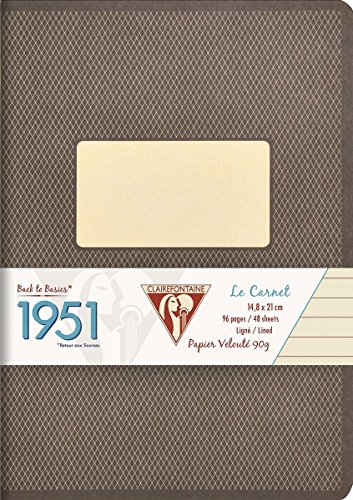 Clairefontaine 1951 A5, lined 90 g/m2 vellum in a stapled softcover, which is the cheapest place to find paper this good. | The best paper per dollar | $9.99 · View on Amazon #ad Price as of October 18, 2026. How this is funded |
1. The default first pen
Pilot Metropolitan
A brass-bodied pen with a nib far better than the price suggests, and the one most consistently handed to beginners.
#ad Price as of October 18, 2026. How this is funded
The brass body is the reason this pen feels like it costs more than it does. It gives the pen weight in the hand and a cold, solid grip section, which is the single thing most people notice moving up from a plastic school pen.
The nib is a Japanese Fine. That matters more than the letter suggests: Japanese grades run narrower than German ones, so a Pilot Fine lays a line closer to what a European maker would call extra fine. If you write small or on thin paper, that narrowness is doing you a favor.
The catch is filling. The Metropolitan takes Pilot's own cartridges, not the international standard ones every other brand shares, and the converter you need to use bottled ink is a separate purchase.
| Nib grades offered | Fine and Medium (stub also sold separately)Source: Pilot Metropolitan, Fine (retail listing, read 2026-09-01) |
|---|---|
| Nib width in mm | Not publishedPilot does not state a millimeter width for the Metropolitan nib in this listing. Japanese Fine runs narrower than a German Fine — see the nib size guide. |
| Body | Brass barrel, painted finishSource: Pilot Metropolitan, Fine (retail listing, read 2026-09-01) |
| Filling | Pilot proprietary cartridge, or a Pilot CON-40 / CON-70 converter (sold separately)Source: Pilot CON-40 converter (retail listing, read 2026-09-01) |
| In the box | Pen with one black ink cartridge and a squeeze converterSource: Pilot Metropolitan, Fine (retail listing, read 2026-09-01) |
What it does well
- Brass body at a plastic-pen price
- Japanese Fine nib puts down a narrow, controlled line
- Extremely widely stocked, so replacements and spares are easy
What it does not
- Proprietary Pilot cartridges, not the international standard
- Converter is sold separately
- The painted finish scuffs if you pocket-carry it with keys
Skip this if you want to use bottled ink on day one without a second purchase, or if you already know you prefer a broad, wet line.
2. The best paper per dollar
Clairefontaine 1951 A5, lined
90 g/m2 vellum in a stapled softcover, which is the cheapest place to find paper this good.
#ad Price as of October 18, 2026. How this is funded
This is the paper that makes the case on its own. 90 g/m2 coated vellum is the benchmark the rest of the market is measured against, and here it comes in a stapled book that costs less than a takeout lunch.
The softcover is the compromise. It will not survive being thrown in a bag for a year the way a hardcover will.
If you want to know whether your bleed-through problem is the ink or the paper, buy one of these and write the same page again. The answer is usually immediate.
| Paper weight | 90 g/m2 white velvet vellumSource: Clairefontaine 1951 A5 (retail listing, read 2026-09-01) |
|---|---|
| Maker's claim | Remarkable opacity and strengthThe maker's own wording on its listing.Source: Clairefontaine 1951 A5 (retail listing, read 2026-09-01) |
| Size and extent | 5 3/4" x 8 1/4", 96 pages, linedSource: Clairefontaine 1951 A5 (retail listing, read 2026-09-01) |
| Binding | Staplebound softcoverSource: Clairefontaine 1951 A5 (retail listing, read 2026-09-01) |
What it does well
- Published 90 g/m2 weight at a very low price
- The reference paper for fountain pen use
- Cheap enough to keep several
What it does not
- Softcover, so it wears in a bag
- 96 pages goes quickly
- Slow drying, like all coated paper
Skip this if you need a book that survives daily carry — buy the clothbound version instead.
How these pages are written
Every figure on every guide page is either cited to a source we actually fetched, or marked as not published. There are no rounded 'typical' values, no numbers from memory, and no specifications transferred from one product to another.
Where established publishers disagree — and on nib widths they will, because the letter grades are not standardized — we say so and show both positions. That disagreement is usually the most useful thing on the page. The full method is on how we choose.
Questions people actually ask
What should I read first as a fountain pen beginner?
The nib size guide, because choosing the wrong nib width is the most common first-purchase mistake, and bleed, ghosting and feathering, because that is what most early complaints actually are.
Why do so many of these pages say a figure is not published?
Because it is not. Very few pen makers state a nib width in millimeters and several well-known notebooks state no paper weight at all. Marking the gap is more useful than filling it with a number we cannot source.
Is my fountain pen broken if it skips?
Usually not. Skipping is most often a paper, ink or drying problem rather than a fault. The troubleshooting guide works through the symptoms in order of likelihood.
How often should I clean a fountain pen?
Every time you change ink, and roughly every four to eight weeks otherwise if you use it regularly. Pigment inks need more. See how to clean a fountain pen.